
The debate between open-source and proprietary ChatGPT models centers on access, control, and customization. Open-source models like GPT-Neo offer public access, collaboration, and flexibility, while proprietary models like ChatGPT provide exclusive control, robust performance, and ready-to-use services. Educational institutions may favor open-source for research or language learning, while organizations balance accessibility with performance guarantees. A hybrid approach is expected, combining open-source development with proprietary services for core functionality and advanced features. As ChatGPT evolves, enhanced transparency through geometric proofs and comparison methods will benefit users across various needs.
In the rapidly evolving landscape of artificial intelligence, ChatGPT has emerged as a game-changer, revolutionizing natural language processing. As its open-source alternative gains traction, it’s crucial to compare these two models directly. This article delves into the intricacies of open-source versus proprietary ChatGPTs, exploring their capabilities, limitations, and implications for users and developers alike. By examining these fundamental differences, we aim to provide a clear, authoritative guide that empowers informed decision-making in this dynamic field.
- Understanding Open-Source vs. Proprietary ChatGPT Models
- Key Differences: Access, Customization, and Control
- Implications for Users: Advantages, Limitations, and Future Trends
Understanding Open-Source vs. Proprietary ChatGPT Models

The distinction between open-source and proprietary ChatGPT models is a crucial aspect of understanding the evolving landscape of artificial intelligence (AI). Open-source models, like their name suggests, are accessible to the public, allowing developers and researchers worldwide to examine, modify, and distribute the code. This collaborative approach fosters innovation and facilitates rapid improvements in language models’ capabilities. For instance, projects like GPT-Neo, an open-source alternative to ChatGPT, offer advanced features such as better contextual understanding and efficient parameter optimization, making them popular choices for developers seeking flexibility and customization.
In contrast, proprietary models, including the widely recognized ChatGPT, are developed and maintained by private organizations with exclusive control over their code and algorithms. These companies invest heavily in research and development, ensuring their models remain cutting-edge. For example, ChatGPT’s training on vast datasets enables it to generate human-like text and provide diverse responses to user queries. However, the closed nature of these systems can limit access and customization options for users.
When comparing open-source vs. proprietary ChatGPT models, one key consideration is the flexibility they offer. Open-source models encourage a vibrant community of developers to contribute and enhance the technology, often resulting in more diverse applications. This collaborative ecosystem is particularly beneficial for academic research and small businesses that require tailored solutions. Conversely, proprietary models excel in delivering polished, ready-to-use services, such as advanced essay writing tools or cultural sensitivity training modules, catering to a broader user base.
Additionally, citation methods comparison reveals interesting differences between these two worlds. In the realm of open-source models, proper attribution is crucial, ensuring credit goes to the original developers and contributors. This practice aligns with academic integrity and encourages further research transparency. Proprietary models, however, may have more nuanced citation guidelines, often tied to specific terms of service or licensing agreements. For instance, historical context study aids developed by proprietary companies might require adherence to their branding and intellectual property policies during reference or integration into educational materials.
Key Differences: Access, Customization, and Control
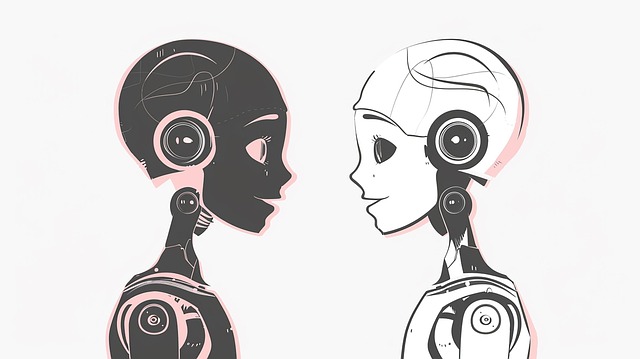
In comparing open-source and proprietary ChatGPT models, a crucial aspect lies in examining access, customization, and control. Open-source ChatGPT platforms offer unprecedented accessibility, allowing developers and enthusiasts to freely explore, modify, and distribute the underlying code. This fosters collaboration and rapid innovation, akin to an art history movements overview where diverse interpretations flourish. For instance, projects like GPT-Neo have emerged, providing pre-trained models accessible to a wide audience, even facilitating foreign language immersion techniques through multilingual fine-tuning.
Proprietary ChatGPT systems, on the other hand, maintain strict control over their algorithms and data. These platforms, such as the original ChatGPT from OpenAI, offer limited transparency regarding internal workings and model updates. While they provide robust out-of-the-box capabilities, customization options are often confined to specific parameters set by the developers. This approach mirrors mathematical problem-solving approaches where off-the-shelf tools excel in solving structured problems but may lack flexibility for unique scenarios.
The control dynamic extends to data privacy and usage. Open-source models encourage users to host their own instances, ensuring data sovereignty. Conversely, proprietary systems rely on centralized servers, raising concerns about user data security and privacy. For educational contexts, this underscores the importance of choosing tools that align with institutional goals and values. As an example, schools adopting open-source AI may leverage it for research projects or language learning, enhancing student engagement through innovative applications.
In terms of practical insights, organizations should weigh the benefits of open-source accessibility against proprietary guarantees of performance and support. Some companies prefer proprietary models for their predictability and ongoing updates, while others embrace open-source tools for education to foster technical expertise, encourage research, and promote data ownership. Ultimately, the decision should be guided by specific needs, available resources, and strategic objectives. Find us at Open-Source Tools for Education for more insights and solutions tailored to your unique requirements.
Implications for Users: Advantages, Limitations, and Future Trends

When comparing open-source ChatGPT alternatives to proprietary models like ChatGPT, users encounter a spectrum of advantages and limitations shaping their conversational AI experiences. Open-source platforms offer transparency, allowing developers to inspect and modify the underlying algorithms, facilitating geometric proofs explanations and tailoring the model’s behavior precisely. This accessibility also promotes community-driven development, leading to rapid innovation and diverse specializations. For instance, some open-source models excel at specific tasks like code generation or language translation, providing users with specialized tools for their needs.
However, proprietary systems like ChatGPT boast significant resources and expertise behind their development, resulting in robust, fine-tuned models that often surpass open-source alternatives in terms of accuracy and performance. These platforms typically offer intuitive interfaces and seamless integration with existing workflows, making them attractive to users seeking instant, high-quality outputs. Moreover, proprietary providers can invest heavily in data analysis tools, ensuring their models learn from vast datasets and deliver accurate, contextually relevant responses.
Looking ahead, the future of conversational AI interaction likely involves a hybrid approach. Users may leverage open-source platforms for custom development while relying on proprietary services for core functionality and cutting-edge features. As ChatGPT continues to evolve, we can expect more sophisticated geometric proofs explanations and citation methods comparisons, enhancing transparency and credibility. Students, in particular, can benefit from such advancements by utilizing open-source tools for learning and experimentation, while turning to refined proprietary models for professional tasks, ultimately optimizing their time management strategies.
In comparing open-source versus proprietary ChatGPT models, this article has revealed key insights that shape the future of AI development and user experiences. The most significant difference lies in access, customization, and control, with open-source models offering greater flexibility for developers to adapt and contribute while proprietary models provide a user-friendly interface and robust performance out-of-the-box. For users, understanding these models’ advantages and limitations is crucial. Open-source ChatGPT enables innovation and collaboration but requires technical expertise, whereas proprietary models offer ease of use and powerful capabilities. As the field evolves, leveraging open-source models for specific tasks or customizing proprietary ones to meet unique needs could become the norm. By staying informed about these trends, users can make strategic decisions to maximize the potential of chatgpt technology in their projects.