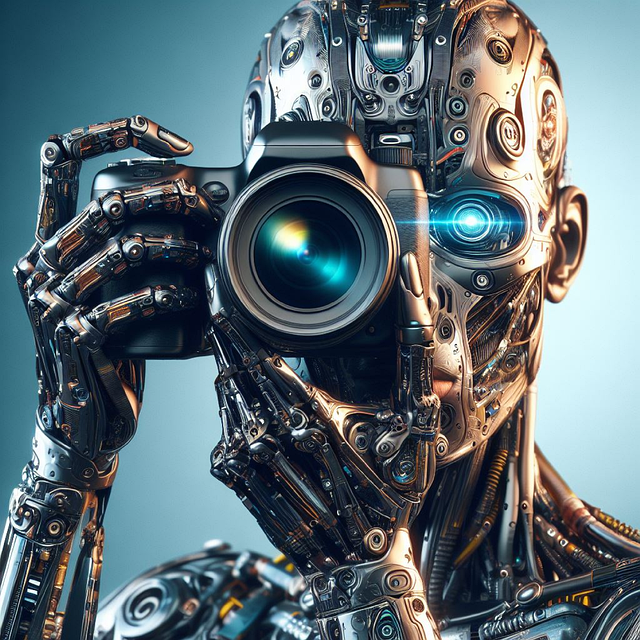
ChatGPT revolutionizes education by offering personalized, interactive learning experiences tailored to diverse student needs. Educators can leverage ChatGPT for creative content design, enhancing understanding in various subjects. Key applications include case studies, lab reports, and public speaking workshops, fostering critical thinking, language proficiency, and skill development. Strategic integration aligns AI interactions with curriculum goals, transforming teaching methodologies while preparing students for the digital future.
In today’s rapidly evolving educational landscape, interactive learning experiences are vital for engaging students and fostering deep understanding. However, designing such experiences can be challenging, especially with the constant demand for innovative teaching methods. This article explores the potential of ChatGPT as a powerful tool to create immersive and personalized learning journeys. By harnessing its capabilities, educators can craft dynamic scenarios, adaptive quizzes, and collaborative projects, transforming static lessons into vibrant interactions. We’ll delve into practical strategies, showcasing how ChatGPT enables us to build interactive environments that cater to diverse learning styles, ultimately enhancing student engagement and knowledge retention.
- Unlocking Potential: Leveraging ChatGPT for Educational Innovation
- Designing Engaging Content: Strategies with ChatGPT
- Implementation and Impact: Creating Interactive Learning Journeys
Unlocking Potential: Leveraging ChatGPT for Educational Innovation

The landscape of education is undergoing a silent revolution, driven by the integration of advanced AI tools like ChatGPT. This shift promises to transform how students engage with learning materials and concepts, unlocking new potential for educational innovation. By leveraging ChatGPT, educators can create interactive learning experiences that cater to diverse learning styles and enhance comprehension across various subjects.
In the past, study aids have often been static and universally delivered, failing to account for individual differences in understanding and engagement. ChatGPT offers a dynamic alternative by providing contextual, personalized responses tailored to each student’s unique query. For instance, when delving into a complex historical context study, students can interact with the AI to clarify key events or gain different perspectives on significant periods, fostering a deeper appreciation of history. Similarly, in literary analysis guides, ChatGPT can offer nuanced interpretations and highlight themes, making literature more accessible and engaging for diverse readers.
Practical implementation begins with understanding learners’ needs. Educators should assess their students’ backgrounds, learning styles, and interests to maximize the impact of ChatGPT integration. For example, visual learners might benefit from AI-generated infographics or diagrams explaining intricate concepts. Interactive quizzes and discussions powered by ChatGPT can further cater to different preferences, making learning more effective and enjoyable. This personalized approach not only enhances knowledge retention but also encourages critical thinking and problem-solving skills.
To fully realize this educational innovation, teachers play a pivotal role in guiding students’ exploration with ChatGPT while ensuring the accuracy of information. They can curate prompts that encourage creative thinking and analytical skills, prompting students to formulate questions, conduct experiments, and interpret results. By visiting us at [Time Management Strategies for Students], educators can also access valuable resources for balancing the integration of new technologies with proven pedagogical methods. Ultimately, leveraging ChatGPT in education promises not just to revolutionize learning but to empower students with the skills needed to thrive in an increasingly digital world.
Designing Engaging Content: Strategies with ChatGPT
Designing engaging content with ChatGPT offers educators a powerful tool to create interactive learning experiences that captivate students and enhance understanding. While ChatGPT excels at generating text across various topics, its strategic application in academic writing standards requires careful consideration and creative teaching approaches. By leveraging ChatGPT’s capabilities, instructors can develop compelling scenarios, simulate discussions, and provide tailored feedback to foster deeper engagement.
For instance, instructors could prompt ChatGPT to create case studies based on real-world examples, encouraging students to apply critical thinking and argumentative writing strategies. This interactive format allows learners to navigate complex topics, analyze different perspectives, and construct well-structured arguments, aligning with academic writing standards. Moreover, ChatGPT can assist in lab report formatting by generating templates or offering guidance on consistent structures, ensuring students meet the required guidelines.
To maximize these benefits, educators should integrate ChatGPT into existing curricula creatively. For example, using it to draft initial drafts of essays or reports enables students to focus on analysis and argumentation while receiving immediate feedback. However, it’s crucial to balance automation with human guidance, ensuring learners develop essential skills like research, synthesis, and evaluation. By combining the efficiency and versatility of ChatGPT with effective teaching methods, educators can create dynamic learning environments that prepare students for academic success and beyond, giving us a call at Hybrid Education Advantages for tailored support in this innovative approach.
Implementation and Impact: Creating Interactive Learning Journeys

The integration of ChatGPT into education opens up a realm of possibilities for creating interactive learning experiences that engage students like never before. By leveraging this powerful AI technology, educators can design hybrid education models that combine the best of in-person and online learning, enhancing student participation and knowledge retention. One such advantage is the potential for public speaking workshops powered by ChatGPT to transform nervous students into confident orators. Through interactive dialogues with the AI, learners can practice presentations, receive instant feedback, and gain valuable insights into effective communication.
Moreover, ChatGPT can facilitate foreign language immersion techniques, making language learning more accessible and engaging. Students can engage in simulated conversations, role-play scenarios, and creative writing exercises with the AI, immersing themselves in a digital environment that mirrors real-world interactions. For instance, a student studying Spanish could practice ordering food at a virtual restaurant or engage in a news debate, all while receiving contextual corrections and suggestions from ChatGPT. This interactive approach not only improves language proficiency but also fosters cultural understanding.
Implementing ChatGPT in education requires careful planning and pedagogical insight. Educators should consider incorporating these AI-driven interactions as part of a broader learning journey, aligning them with specific curriculum objectives. For example, after using ChatGPT for public speaking workshops, teachers can assess students’ progress through presentations in front of their peers. This blend of AI assistance and traditional assessment methods ensures that learners not only gain skills but also apply them effectively. By visiting us at statistical inference basics, educators can explore additional strategies to enhance their teaching methodologies with the help of cutting-edge tools like ChatGPT.
By harnessing the power of ChatGPT, educators can unlock new avenues for educational innovation, designing engaging content that captivates and inspires learners. The strategies outlined in this article provide a roadmap for creating interactive learning experiences that foster deep understanding and critical thinking. Through practical implementation, educators can leverage ChatGPT to craft personalized learning journeys, adapting to individual student needs and preferences. This approach promises significant impact, preparing students for the future by cultivating skills essential for navigating an ever-evolving landscape. By embracing these insights and taking proactive steps to integrate ChatGPT into their teaching practices, educators can truly revolutionize education.